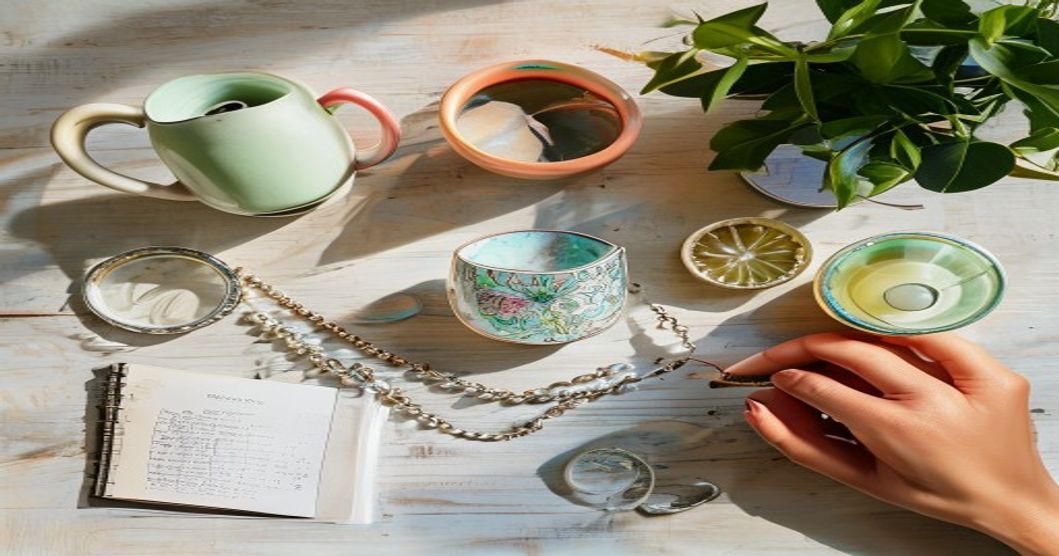
Etsy stands as a premier global marketplace, celebrated for its unique array of handmade, vintage, and craft supply items. It offers an exceptional platform for creators, artists, and curators to transform their passions into thriving businesses. Understanding the landscape of Etsy products, from popular categories to niche opportunities, is paramount for aspiring and established sellers alike. This guide delves into the strategic elements required to identify, market, and successfully sell products that resonate with a global audience seeking authenticity and individuality.
The Essence of Successful Etsy Products
For any Etsy product to flourish, it must typically possess a blend of distinctiveness, quality, and market appeal. Successful Etsy products often tell a story, reflecting the craftsmanship, creativity, and personal touch of the seller. Customers on Etsy are generally looking beyond mass-produced items, valuing handmade uniqueness, vintage charm, or specialized craft components. Identifying your target audience and understanding their preferences is a crucial first step in determining what kinds of products will thrive within this vibrant marketplace.
Exploring Popular Etsy Product Categories and Niches
Handmade Items: Crafting Unique Experiences on Etsy
Handmade items form the core identity of Etsy, encompassing an incredibly diverse range of Etsy products. Jewelry, from delicate minimalist pieces to bold statement designs, consistently performs well. Home decor, including personalized artwork, unique pottery, and custom textiles, also attracts significant buyer interest. Apparel, accessories, and personalized gifts offer further avenues for creative expression. The key here is often impeccable craftsmanship coupled with innovative design, creating products that buyers cannot easily find elsewhere, fostering a sense of special acquisition and unique appeal.
Craft Supplies: Fueling Creativity Worldwide for Etsy Makers
Etsy is not just for finished products; it’s also a thriving hub for craft supplies. Sellers offer everything from rare beads and unique fabric prints to specialized tools and digital patterns. This category serves a community of makers and DIY enthusiasts who constantly seek inspiration and materials for their own projects. Success in craft supplies often hinges on offering high-quality, hard-to-find, or bulk items, alongside excellent customer service. Providing clear descriptions and accurate measurements is essential for attracting repeat buyers in this segment of Etsy products.
Vintage Treasures: Curating a Piece of History for Etsy Buyers
The vintage category on Etsy is dedicated to items that are at least 20 years old, offering a nostalgic journey through time. This includes vintage clothing, antique home goods, collectible toys, and retro decor. Sellers act as curators, carefully sourcing, cleaning, and sometimes restoring these unique pieces. The appeal lies in their historical significance, unique design, and often superior quality compared to modern alternatives. Detailed descriptions, accurate dating, and a keen eye for historical context are vital for success in selling vintage Etsy products effectively.
Digital Products: The Untapped Potential of Instant Etsy Downloads
Digital Etsy products represent a rapidly growing and highly profitable niche on Etsy, characterized by zero shipping costs and instant delivery. This category includes printable art, digital planners, wedding invitations, social media templates, and even knitting patterns. Once created, these products can be sold repeatedly without needing physical inventory. The initial effort in design and listing is often the main investment, making it an attractive option for designers and artists. High-quality design and clear instructions for use are crucial for customer satisfaction with these types of Etsy products.
Strategic Analysis for Identifying Profitable Etsy Niches
Market Research: Uncovering Buyer Demands for Etsy Products
Successful Etsy selling begins with thorough market research. Analyzing trending keywords, exploring popular Etsy shops, and observing what competitors are offering can reveal valuable insights into buyer demand for certain Etsy products. Tools like Etsy’s own search bar suggestions and third-party trend analysis platforms can help pinpoint emerging interests. Focusing on a specific niche rather than a broad category can help sellers differentiate their offerings and attract a dedicated customer base, often leading to higher conversion rates and brand loyalty for their Etsy products.
Competitor Analysis: Learning from the Etsy Landscape
Examining your competitors’ successful listings, pricing strategies, and customer reviews provides an excellent learning opportunity for your Etsy products. Identify gaps in the market or areas where you can offer a superior product or unique selling proposition. Perhaps your competitors lack personalization options, or their product photography could be improved. Understanding the competitive landscape helps refine your own product development and marketing efforts, ensuring your Etsy products stand out in a crowded marketplace, attracting more potential buyers.
Effective Pricing Strategies for Etsy Products Success
Cost-Plus Pricing: Ensuring Profitability for Your Etsy Offerings
A fundamental approach to pricing Etsy products involves calculating all costs associated with production, including materials, labor, packaging, and Etsy fees. A standard formula might be: (Cost of Materials + Hourly Wage for Labor + Packaging Costs) * Markup Percentage + Etsy Fees. For instance, if a handmade necklace costs $15 in materials and labor, with $2 for packaging and 5% Etsy fees, a 100% markup would price it around $35-$40, ensuring a healthy profit margin while covering all overheads for your Etsy product.
Value-Based Pricing: Reflecting Perceived Worth of Etsy Products
Beyond mere cost, the perceived value of your Etsy product plays a significant role in pricing. Unique designs, high-quality craftsmanship, exclusive materials, and strong branding can command higher prices. Consider what customers are willing to pay for a unique, handcrafted item versus a mass-produced alternative. Your price should reflect the artistry and effort invested, communicating the intrinsic value of your creation to potential buyers who are specifically seeking unique items among the diverse range of Etsy products available.
Optimizing Your Etsy Product Listings
Captivating Product Photography: Your Visual Storyteller for Etsy
High-quality product photography is arguably the most critical element of an Etsy product listing. Clear, well-lit images from multiple angles allow buyers to truly see what they are purchasing. Lifestyle shots showing the product in use or context can help customers visualize it in their own lives. Professional-looking photos build trust and significantly increase click-through rates, making your listings far more appealing than those with amateur imagery. Invest time in learning basic product photography techniques or consider professional help for your Etsy products.
Compelling Titles and Descriptions: SEO and Storytelling for Etsy Items
Your Etsy product titles and descriptions must serve a dual purpose: appealing to both search engines and human buyers. Incorporate relevant long-tail keywords naturally within your title to improve search visibility. The description should detail all essential product information, dimensions, materials, and care instructions. Beyond the facts, weave a narrative that highlights the product’s unique story, the creative process, or its benefits, engaging the buyer emotionally and reinforcing the item’s special appeal among other Etsy products.
Strategic Tagging: Maximizing Discoverability for Your Etsy Products
Etsy tags are crucial for helping buyers find your products through search. Utilize all available tag slots (13 tags) with a mix of broad and specific keywords. Think like a buyer: what terms would they use to find your item? Include different variations, synonyms, and long-tail phrases. For example, for a ceramic mug, tags could include “handmade coffee mug,” “unique pottery gift,” “ceramic tea cup,” “artisanal stoneware.” Effective tagging dramatically increases your listing’s visibility for your specific Etsy products.
Etsy in Comparison: Why Choose This Platform for Your Products?
While platforms like Shopify offer full control over branding and e-commerce functionalities, and Amazon Handmade provides access to a massive customer base, Etsy carves out its own distinct niche. Etsy’s built-in community of buyers specifically seeks unique, handmade, and vintage items, meaning sellers often encounter highly targeted traffic. For creators focusing on bespoke products, the platform offers a lower barrier to entry compared to building an independent e-commerce site and a more curated environment than general marketplaces for selling Etsy products.
Building a Sustainable Etsy Business with Unique Products
Establishing a successful Etsy shop involves continuous learning, adaptation, and a deep understanding of your customer base. From selecting the right products and implementing strategic pricing to optimizing your listings for maximum visibility, every step contributes to your growth. By consistently offering high-quality, unique Etsy products and engaging effectively with your audience, sellers can cultivate a loyal following and transform their creative endeavors into a rewarding and sustainable enterprise. The journey on Etsy is an ongoing exploration of creativity and commerce, offering immense potential for those willing to invest the effort into their unique offerings.