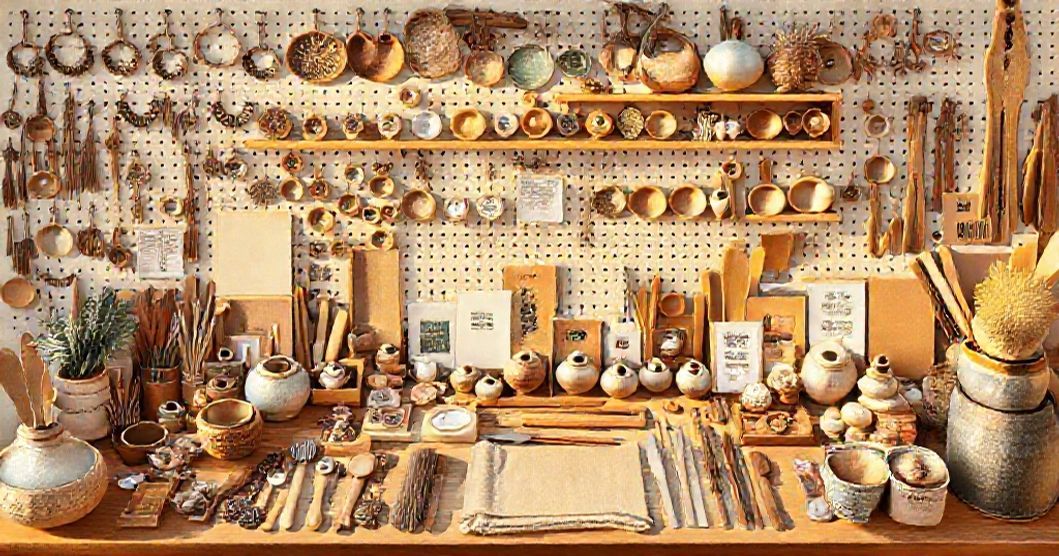
Etsy stands as a vibrant global marketplace, a digital hub where creators connect with buyers seeking unique, handmade, and vintage treasures. For many, it represents not just a platform, but a pathway to transforming passions into profitable ventures. This comprehensive guide delves into the core strategies and insights essential for establishing a thriving Etsy shop, covering everything from niche identification to advanced marketing tactics. Understanding the nuances of this dynamic ecosystem is paramount for any seller aiming for sustained success and meaningful engagement within the creative community.
Understanding the Etsy Marketplace: A Creative Ecosystem
Etsy is more than just an e-commerce site; it is a specialized marketplace focusing on handcrafted goods, vintage items, and craft supplies. Its distinct identity attracts a specific demographic of buyers who value authenticity, unique designs, and supporting independent artisans. Sellers benefit from an established customer base already predisposed to these types of products, reducing the initial marketing burden often associated with building a standalone website. Success hinges on aligning your offerings with this unique buyer expectation and the platform’s community-driven ethos.
Identifying Profitable Niches: Uncovering Demand
Discovering a profitable niche is foundational to Etsy success. This involves thorough market research, analyzing current trends, and understanding what buyers are actively searching for. Tools like Etsy’s own search bar suggestions, eRank, or Marmalead can reveal high-demand, low-competition keywords. Consider evergreen categories such as personalized gifts, wedding accessories, or unique home decor. For example, custom pet portraits often command premium prices, with artists charging anywhere from $50 to $500 depending on complexity and medium, reflecting strong buyer interest in bespoke items.
Crafting Compelling Product Listings: Attracting Buyers
Your product listings are your virtual storefront, requiring meticulous attention to detail. High-quality photographs are non-negotiable; clear, well-lit images from multiple angles, showcasing scale and texture, significantly impact conversion rates. Write descriptive titles and product descriptions rich in relevant keywords, helping buyers find your items through search. Emphasize the unique story behind each piece, its materials, and craftsmanship. Effective tags are equally crucial, acting as additional search terms that broaden your product’s visibility within Etsy’s vast catalog.
Mastering Etsy SEO and Keywords: Enhancing Discoverability
Optimizing your Etsy shop for search engines is paramount for increasing visibility without relying solely on paid ads. Effective Etsy SEO involves strategically integrating relevant keywords into your shop sections, titles, tags, and product descriptions. Think like a buyer: what terms would they use to find your unique item? Utilize long-tail keywords, such as ‘handmade ceramic coffee mug unique,’ rather than just ‘mug.’ Regularly review your shop stats to see which keywords are driving traffic and adjust your strategy accordingly, ensuring your beautiful creations are easily discovered by eager customers.
Navigating Etsy Fees and Pricing Strategies: Maximizing Profit
Understanding Etsy’s fee structure is vital for accurate pricing and maintaining healthy profit margins. Sellers encounter listing fees ($0.20 per item, renewable every four months), transaction fees (6.5% of the sale price), and payment processing fees (typically 3% + $0.25). Crafting a sustainable pricing strategy involves accounting for material costs, labor, overhead, and these platform fees, while remaining competitive. For instance, a handmade necklace selling for $40 might incur roughly $3-4 in Etsy fees, highlighting the need for careful calculation to ensure profitability.
Effective Marketing for Your Etsy Shop: Expanding Reach
Beyond Etsy’s internal search, proactive marketing significantly amplifies your shop’s visibility. Leverage social media platforms like Instagram and Pinterest, which are highly visual and align well with Etsy’s product categories. Share behind-the-scenes content, product launches, and customer testimonials to build a community. Email marketing, though external, can cultivate loyal customers by offering exclusive discounts or early access to new collections. While optional, Etsy Ads can provide a targeted boost for specific listings, increasing impressions and potential sales when managed strategically.
Customer Service Excellence and Shop Reputation: Building Trust
Exceptional customer service forms the backbone of a stellar shop reputation on Etsy. Prompt, polite, and helpful communication regarding inquiries, custom orders, or shipping updates fosters buyer confidence. Swiftly addressing any issues, even returns or exchanges, can transform a potentially negative experience into a positive one. Positive reviews are invaluable social proof, influencing future purchasing decisions and boosting your shop’s standing in search results. Consistently delivering high-quality products and services cultivates repeat business and organic word-of-mouth referrals.
Managing Inventory and Shipping: Operational Efficiency
Efficient inventory management and streamlined shipping processes are critical for customer satisfaction and operational ease. Keep an accurate count of your materials and finished products to prevent overselling. Clear communication about processing times and estimated delivery dates manages buyer expectations effectively. Choose reliable shipping carriers and offer tracking whenever possible. Consider packaging that not only protects your items but also enhances the unboxing experience, reinforcing your brand’s quality and attention to detail, which encourages positive reviews and repeat business.
Scaling Your Etsy Business: Strategies for Growth
As your Etsy shop gains momentum, consider strategies for sustainable growth. This might involve expanding your product lines into related categories, leveraging existing customer preferences. For example, a shop selling handmade jewelry might introduce matching hair accessories. Outsourcing certain production steps, if feasible, can free up time for creative development and marketing. Diversifying your sales channels by exploring a standalone e-commerce site like Shopify, or even participating in local craft fairs, can further stabilize and grow your business beyond Etsy’s confines.
Etsy Versus Other E-commerce Platforms: A Comparative Look
While Etsy excels for unique, handmade, and vintage goods, other platforms offer different advantages. Shopify, for instance, provides complete control over branding, design, and customer data, ideal for sellers seeking robust scalability and an independent brand identity. Amazon Handmade offers access to a massive customer base, but often comes with higher competition and stricter rules. Etsy’s distinct community focus and lower entry barrier make it an excellent starting point, yet diversifying onto platforms like Shopify can offer greater long-term flexibility and reduced reliance on a single marketplace.
Mastering Your Etsy Journey: Sustained Success
Achieving sustained success on Etsy requires a blend of creativity, strategic planning, and consistent effort. From meticulous product creation and compelling listings to proactive marketing and exemplary customer service, every element plays a crucial role. By continuously analyzing market trends, adapting to buyer feedback, and optimizing your shop, sellers can not only navigate the competitive landscape but truly thrive. Embrace the journey of entrepreneurship, leveraging these insights to cultivate a vibrant, profitable, and enduring presence within the esteemed Etsy community.