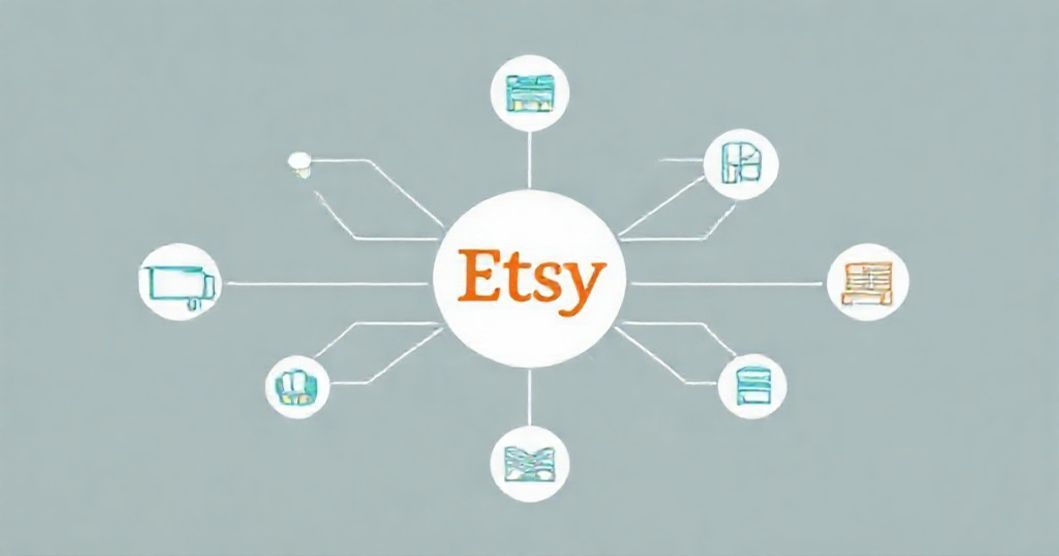
In the competitive landscape of online retail, Etsy sellers constantly seek ways to enhance efficiency and expand their reach. Etsy integrations offer a powerful solution, connecting your shop with a myriad of external tools and platforms. These integrations automate tedious tasks, synchronize data across different systems, and provide valuable insights, ultimately freeing up time for creative pursuits and business growth. Understanding the various types of integrations available and how they can benefit your specific business model is paramount for sustained success.
Understanding Etsy Integrations for Sellers
Etsy integrations refer to the process of linking your Etsy shop with third-party software applications. These connections facilitate seamless data flow, enabling automation of critical business operations. For sellers, this means less manual input, reduced errors, and a more cohesive operational workflow. From managing inventory across multiple channels to streamlining shipping and accounting, integrations are vital for scaling an Etsy business efficiently and professionally. They transform routine tasks into automated processes, allowing sellers to focus on product creation and customer engagement.
1. Inventory Management System Integrations
Integrating an inventory management system with Etsy is crucial for sellers handling a significant volume of products or selling across multiple platforms. These integrations automatically update stock levels in real-time, preventing overselling and potential customer dissatisfaction. By centralizing inventory data, businesses gain a clear overview of their stock, helping them make informed purchasing decisions and optimize storage. This efficiency directly impacts profitability by minimizing wasted stock and ensuring popular items are always available, providing a seamless shopping experience for buyers.
2. Shipping and Fulfillment Integrations
Efficient shipping is a cornerstone of customer satisfaction, and Etsy integrations significantly streamline this process. Tools like shipping label generators, tracking systems, and order management platforms connect directly with your Etsy store. This integration automates label creation, calculates shipping costs, and provides customers with real-time tracking updates, reducing manual effort and potential errors. By optimizing fulfillment, sellers can often negotiate better shipping rates and reduce transit times, leading to happier customers and repeat business, which is vital for long-term growth.
3. Accounting and Bookkeeping Software Integrations
Managing finances is a critical, yet often time-consuming, aspect of running an Etsy business. Integrating your shop with accounting software such as QuickBooks or Xero automates the recording of sales, expenses, and transaction fees. This ensures accurate financial records, simplifies tax preparation, and provides clear insights into your business’s financial health. By reducing the manual entry of financial data, sellers save valuable time and minimize the risk of human error, allowing for more strategic financial planning and overall business stability.
4. Print-on-Demand (POD) and Dropshipping Integrations
For sellers looking to expand their product offerings without the burden of physical inventory, Print-on-Demand (POD) and dropshipping integrations are transformative. These integrations connect your Etsy shop with suppliers who handle production, packaging, and shipping directly to the customer. Common product types include apparel, mugs, phone cases, and home decor items. This model significantly reduces upfront costs and risks, allowing for experimentation with various designs and product lines. While profitability margins might differ from traditional inventory models, the reduced overhead offers a highly scalable business opportunity.
5. E-commerce Platform Integrations: Expanding Your Reach
Many Etsy sellers eventually consider expanding their online presence beyond the marketplace by launching their own e-commerce websites. Integrating Etsy with platforms like Shopify or WooCommerce allows for seamless synchronization of product listings, inventory, and order data. This multichannel approach diversifies sales channels, reduces reliance on a single platform, and often provides greater control over branding and customer relationships. While Etsy offers a built-in audience, a standalone store integration enables broader marketing strategies and potentially higher profit margins due to lower transaction fees.
6. Social Media and Marketing Tool Integrations
Effective marketing is essential for driving traffic and sales to an Etsy shop. Integrations with social media scheduling tools, email marketing platforms, and analytics dashboards can significantly amplify your promotional efforts. These tools automate post-scheduling, manage customer email lists, and provide data on campaign performance. By streamlining marketing activities, sellers can maintain a consistent brand presence, engage with their audience more effectively, and track the return on investment for their marketing expenditures, ultimately leading to increased visibility and sales.
Selecting the Right Etsy Integration Tools
Choosing the most suitable Etsy integration tools requires careful consideration of your business’s unique needs and growth aspirations. Begin by identifying your current pain points, whether they involve inventory discrepancies, shipping delays, or complex financial tracking. Research tools that specifically address these challenges and offer robust integration capabilities with Etsy. Evaluate factors such as ease of use, customer support, pricing structures, and scalability to ensure the chosen solution can grow with your business. Prioritize tools that provide a clear return on investment through time savings, error reduction, and improved operational efficiency, contributing to overall business success.
Conclusion: The Strategic Advantage of Etsy Integrations
Etsy integrations are not merely convenience tools; they are strategic assets that empower sellers to optimize operations, broaden their market reach, and significantly enhance efficiency. By automating key business functions, from inventory and shipping to accounting and marketing, integrations free up valuable time and resources. This allows creators and entrepreneurs to focus on innovation, product development, and delivering exceptional customer experiences. Embracing the right integration strategy is a pivotal step towards building a resilient, scalable, and ultimately more profitable Etsy business in the dynamic world of e-commerce.