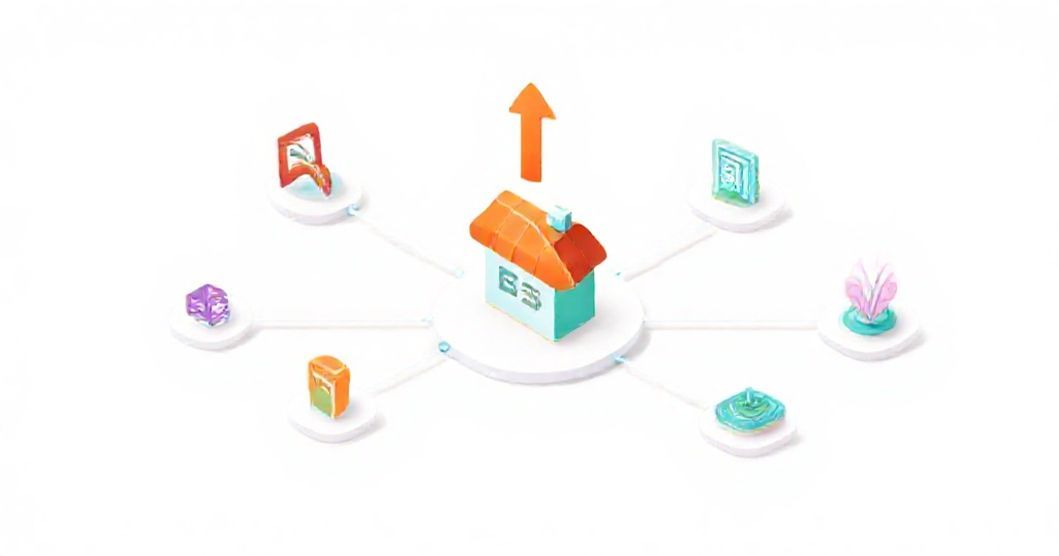
In the dynamic world of online selling, managing an Etsy shop efficiently requires more than just creating beautiful products. To truly thrive and scale, sellers often seek ways to automate repetitive tasks, synchronize data, and expand their reach. This is where Etsy integrations become indispensable, offering a powerful solution to connect your shop with various essential tools and platforms. By strategically implementing these integrations, you can transform your operational workflow, reduce manual errors, and dedicate more time to creativity and customer engagement.
Understanding Etsy Integrations for Online Sellers
Etsy integrations refer to third-party software or services that connect directly with your Etsy shop’s backend. These connections allow data to flow seamlessly between Etsy and other platforms, such as inventory management systems, accounting software, shipping solutions, and even other e-commerce marketplaces. The primary goal of these integrations is to automate processes that would otherwise consume significant time and effort, thereby enhancing overall operational efficiency for sellers.
Streamlining Inventory Across Multiple Sales Channels
One of the most critical aspects of running a successful online business is accurate inventory management. Etsy integrations designed for inventory control enable sellers to synchronize stock levels across their Etsy shop and any other sales channels they operate, like a personal website or other marketplaces. This prevents the frustrating and costly issue of overselling, ensuring that customers only purchase items that are genuinely available in stock.
These integration tools automatically update inventory counts in real-time as sales occur on any connected platform. This centralized approach offers a clear overview of product availability, helping sellers make informed decisions about restocking and production schedules. The result is a more efficient inventory pipeline and a better customer experience, free from unexpected cancellations due to out-of-stock items.
Optimizing Order Management and Shipping Efficiency
Managing orders and shipping can be a time-consuming task, especially as your Etsy shop grows. Integrations with order management and shipping platforms automate the transfer of order details directly from Etsy to your chosen fulfillment system. This eliminates the need for manual data entry, significantly reducing the potential for human error and accelerating the order processing time.
Once integrated, these solutions can automatically generate shipping labels, compare carrier rates, and provide tracking information to customers without manual intervention. This not only saves valuable time but also enhances the post-purchase experience for buyers, who receive prompt updates on their order status. Efficient shipping processes contribute directly to higher customer satisfaction and repeat business.
Connecting Etsy with Major E-commerce Platforms
Many Etsy sellers eventually consider expanding their presence beyond the marketplace to their own branded e-commerce websites. Integrating Etsy with platforms like Shopify, WooCommerce, or BigCommerce allows for seamless cross-platform management. Products listed on Etsy can be automatically imported to your website, and vice versa, maintaining consistency across all your storefronts.
Furthermore, these integrations ensure that sales and customer data from both your Etsy shop and independent website are unified in one central dashboard. This multi-channel approach simplifies product synchronization, order fulfillment, and customer data management, offering a cohesive strategy for business growth and market diversification without doubling your workload.
Automating Financial Reporting and Accounting Processes
Keeping accurate financial records is essential for any business, and Etsy integrations can drastically simplify accounting tasks. By connecting your Etsy shop with accounting software such as QuickBooks, Xero, or FreshBooks, sales data, fees, and expenses are automatically imported and categorized. This eliminates manual data entry, reducing errors and saving countless hours each month.
Automated financial reporting provides a real-time snapshot of your shop’s performance, making tax preparation less daunting and offering valuable insights into profitability. Sellers can easily track income, expenses, and profit margins, enabling them to make data-driven decisions for their business’s financial health and future strategic planning.
Integrating Print-on-Demand and Dropshipping Services
For sellers looking to expand their product offerings without the burden of inventory management, integrating with Print-on-Demand (POD) or dropshipping services is a game-changer. These integrations allow you to connect your Etsy shop directly with suppliers who handle product creation, printing, and shipping upon order. This enables you to offer a wide range of customizable products, from apparel to home decor, without upfront investment in stock.
When a customer places an order on Etsy, the integration automatically sends the order details to the POD or dropshipping partner, who then produces and ships the item directly to the customer. This model significantly lowers entry barriers for new product lines and reduces operational complexities, allowing sellers to focus on design and marketing rather than logistics.
Enhancing Customer Relationship Management (CRM)
Building strong customer relationships is vital for long-term success. While Etsy provides basic customer communication tools, integrating your shop with a dedicated CRM system can elevate your customer service efforts. These integrations allow you to consolidate customer information, purchase history, and communication logs from Etsy into a single platform.
A unified CRM view enables personalized marketing campaigns, targeted promotions, and more efficient customer support. By understanding customer preferences and past interactions, sellers can foster loyalty, encourage repeat purchases, and address inquiries more effectively, leading to an overall improved customer experience.
Key Considerations When Choosing Etsy Integration Tools
Selecting the right Etsy integration tools requires careful evaluation. Consider the specific challenges your business faces and identify the areas where automation would provide the most value. Evaluate potential tools based on their features, ensuring they align with your operational needs and offer the functionalities you require for inventory, shipping, or accounting.
Compatibility with your existing systems and the ease of setup are crucial factors. Additionally, investigate the pricing structure, looking for solutions that offer transparent costs and scalability options as your business grows. Reliable customer support and positive user reviews are also strong indicators of a trustworthy and effective integration solution.
Unlocking Growth: The Transformative Power of Etsy Integrations
Etsy integrations are more than just convenience tools; they are strategic assets that empower sellers to operate with greater efficiency, expand their market reach, and ultimately grow their businesses. By automating mundane tasks, reducing errors, and providing a unified view of your operations, integrations free up valuable time and resources.
Embracing these powerful connections allows you to focus on what you do best: creating unique products and delivering exceptional customer experiences. The strategic implementation of Etsy integrations is an investment in your shop’s future, enabling sustainable growth and positioning your business for continued success in the competitive online marketplace.