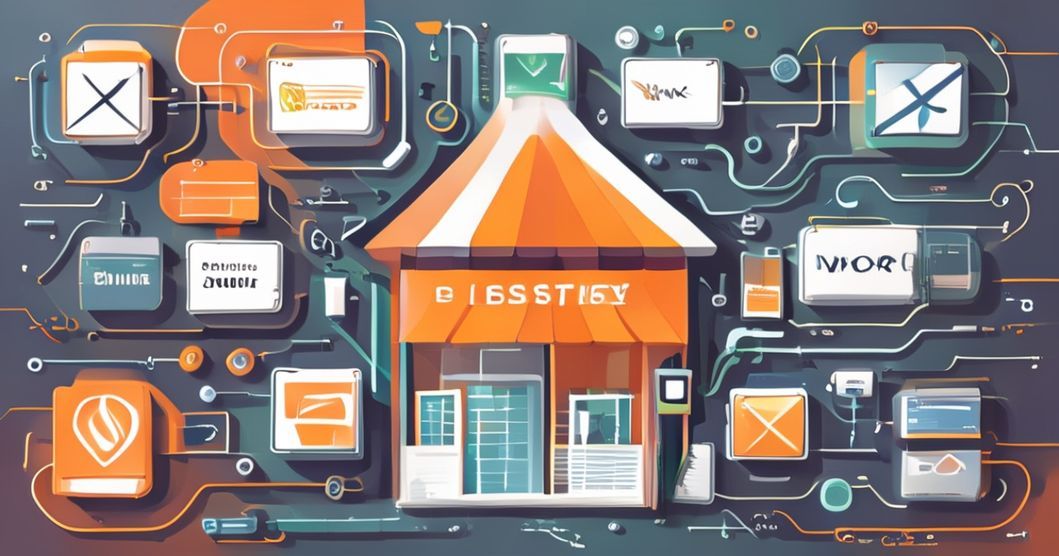
For independent creators and entrepreneurs, Etsy offers a robust platform to showcase unique products and connect with a global audience. However, managing an Etsy shop efficiently often extends beyond merely listing items. Effective Etsy integrations are pivotal for streamlining various aspects of your business, from inventory and shipping to accounting and marketing. These powerful connections between your Etsy store and other essential tools can significantly enhance operational efficiency, reduce manual tasks, and ultimately free up more time for creation and growth. Understanding and implementing the right integrations is a strategic move for any serious Etsy seller aiming to scale their business.
Understanding Etsy Integrations for Enhanced Productivity
Etsy integrations refer to the process of connecting your Etsy shop with third-party software applications designed to automate or simplify specific business functions. Instead of manually transferring data between different platforms, integrations create a seamless flow, allowing various tools to communicate directly with your Etsy store. This interconnected ecosystem is invaluable for managing increased order volumes, maintaining accurate records, and providing superior customer service. From managing product stock across multiple channels to automating shipping label creation, these integrations are designed to empower sellers with greater control and efficiency.
1. Streamlining Inventory Management Across Platforms
Managing inventory is a critical aspect for any e-commerce seller, especially those selling on multiple platforms. Etsy integrations for inventory management help synchronize stock levels in real-time, preventing overselling and ensuring accurate product availability. These tools can automatically update inventory counts on Etsy whenever a sale occurs on another channel, such as a personal website or another marketplace. This precision not only enhances customer satisfaction but also saves significant time that would otherwise be spent on manual stock adjustments, allowing sellers to focus on product development.
2. Automating Shipping and Fulfillment Processes
Efficient shipping is paramount for customer satisfaction and repeat business. Shipping integrations connect your Etsy store directly with shipping carriers or fulfillment services, automating the creation of shipping labels, tracking number generation, and even postage calculation. This significantly reduces the time spent on order processing, minimizes human error, and ensures timely dispatch of products. Many solutions offer discounted shipping rates, providing cost savings that can directly impact your profitability, making these integrations a valuable asset for any growing Etsy shop.
3. Simplifying Accounting and Bookkeeping Procedures
Keeping accurate financial records is essential for tax purposes and understanding your business’s health. Accounting integrations link your Etsy sales data directly with your chosen bookkeeping software. These tools automatically import transaction details, fees, and expenses, eliminating the need for manual data entry. This not only saves considerable time but also reduces the likelihood of errors, ensuring your financial records are always up-to-date and accurate. Sellers can easily track income, expenses, and profitability, gaining clearer insights into their financial performance.
4. Boosting Marketing Efforts and Social Media Presence
Effectively promoting your Etsy products requires a strategic approach to marketing and social media. While direct marketing integrations might be less common than operational ones, many tools can enhance your outreach. For instance, platforms allowing scheduled social media posts can pull product information to create engaging content. These integrations help maintain a consistent brand presence and drive traffic back to your Etsy shop. By automating aspects of your marketing, sellers can reach a wider audience and build stronger brand recognition without constant manual effort.
5. Integrating Print-on-Demand (POD) Services for Custom Products
Print-on-Demand (POD) integrations are particularly popular among Etsy sellers offering custom apparel, accessories, or home decor. These integrations connect your Etsy shop directly with POD fulfillment partners. When a customer places an order on Etsy, the details are automatically sent to the POD provider, who then prints, packages, and ships the product directly to the customer. This model eliminates the need for sellers to manage inventory or production, making it an ideal solution for scaling unique, personalized product offerings with minimal upfront investment.
6. Expanding Reach with Multi-Channel E-commerce Integrations
Many successful Etsy sellers eventually expand their presence to other e-commerce platforms or their own branded websites. Multi-channel integrations are designed to synchronize product listings, inventory, and orders across all these sales channels. This ensures a cohesive online presence and prevents issues like overselling or inconsistent product information. By managing all sales from a single dashboard, sellers can efficiently track performance, manage customer interactions, and expand their market reach without complex manual oversight, fostering steady business growth.
7. Enhancing Customer Relationship Management (CRM)
Building strong customer relationships is vital for long-term success. While Etsy provides basic communication tools, CRM integrations can offer more advanced functionalities. These tools help manage customer inquiries, track purchase history, and personalize communication, ensuring every customer feels valued. Although direct CRM integrations for Etsy can be niche, utilizing data export features to feed into a CRM system allows for more targeted follow-ups and feedback collection, ultimately leading to improved customer loyalty and repeat business.
8. Essential Considerations When Selecting Etsy Integrations
Choosing the right Etsy integrations requires careful consideration of several factors. Evaluate the integration’s compatibility with your specific business needs, its ease of use, and its reliability. Consider the cost-effectiveness, as many tools operate on subscription models, ranging from free basic plans to premium tiers with extensive features. Assess the level of customer support offered by the integration provider and ensure it can scale with your business growth. A thorough evaluation will help you select tools that genuinely enhance your operations rather than complicating them.
Embracing Strategic Integrations for Sustainable Etsy Growth
The strategic adoption of Etsy integrations is a cornerstone for any seller aspiring to maximize efficiency and achieve sustainable growth. By automating routine tasks and centralizing critical business functions, sellers can significantly reduce operational overhead, minimize errors, and free up invaluable time. Whether it’s streamlining inventory, expediting shipping, or simplifying financial management, the right integrations provide a robust framework for managing a thriving Etsy shop. Investing in these solutions empowers sellers to focus on creativity, product development, and customer engagement, ultimately leading to a more successful and less stressful entrepreneurial journey.